Photo Tips for More Accurate AI Age Detection
Lighting, angle, expression, background — learn the best photo conditions so the AI can accurately read your facial age.

Why Photo Conditions Matter
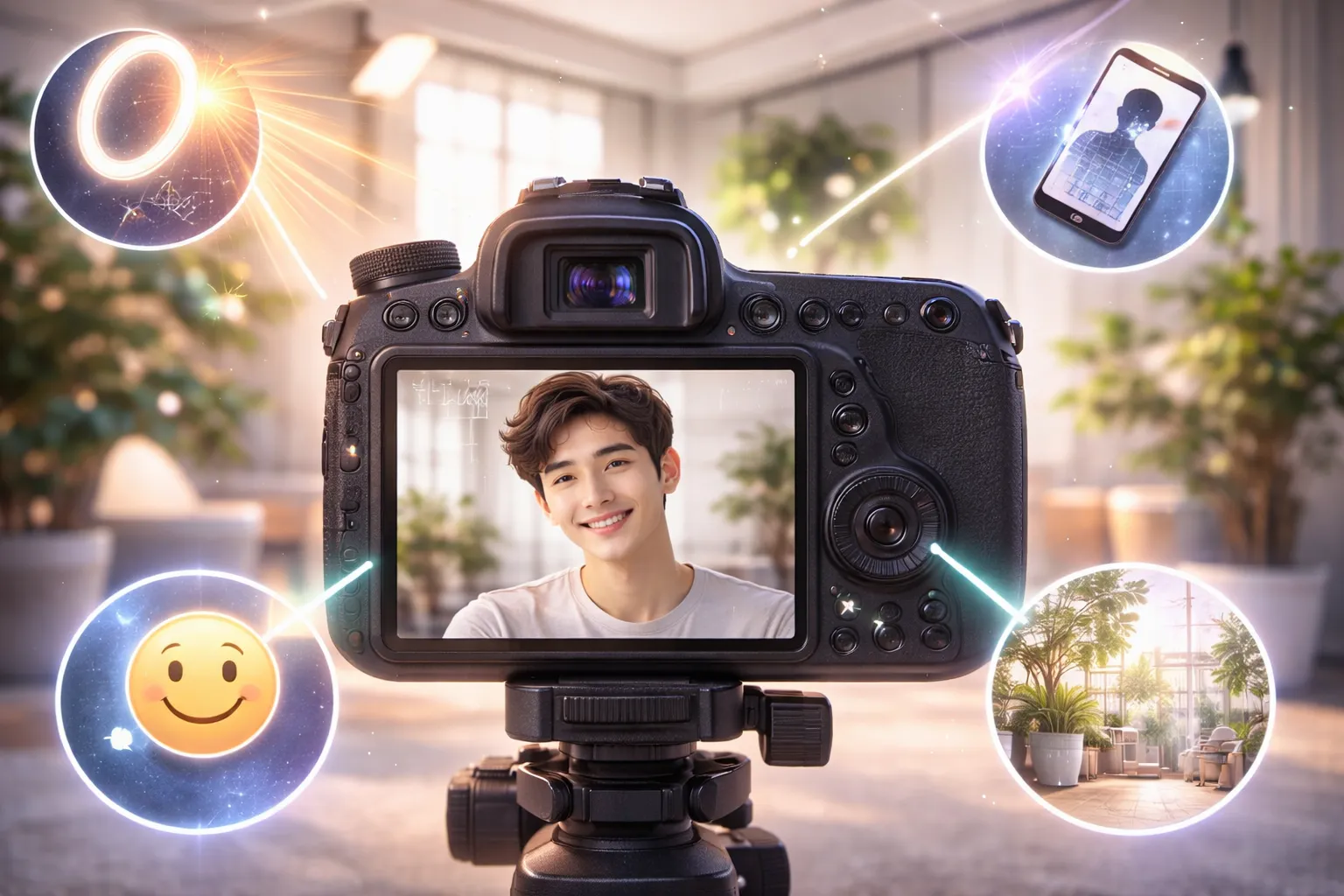
The same person can look 10 years younger in one photo and a decade older in another. AI works the same way — it analyzes the visual information captured in the image, so photo quality directly determines accuracy. A little attention to a few simple factors makes a big difference.
Lighting: The Biggest Variable
Lighting is the single most influential factor in AI age detection.
Best lighting conditions:
- Natural daylight (by a window during the day) is ideal
- Even, front-facing light that illuminates the whole face
- Overcast outdoor light is surprisingly excellent
Avoid:
- Backlight: darkens the face and makes feature extraction difficult
- Harsh side-lighting: creates shadows that make wrinkles look deeper
- Under-lighting (light below the face): creates dark circles and shadows
- Fluorescent or tinted bulbs: can throw off skin-tone analysis
| Lighting Type | Effect on AI Accuracy |
|---|---|
| Natural front-facing | Best accuracy |
| Overcast outdoor | High accuracy |
| Indoor ceiling light | Average |
| Harsh side-lighting | Risk of overestimating age |
| Backlight | Poor accuracy |
Angle: Face the Camera
Most AI age models are trained predominantly on frontal faces. Tilting or turning reduces accuracy significantly.
- Ideal: Camera at eye level, face pointing straight ahead
- Shooting from slightly below: Skin appears tauter — AI may underestimate age
- Shooting from above: Alters facial proportions, produces unreliable results
- Side profiles: Only half the face visible — analysis becomes unreliable
Expression: Neutral and Relaxed
Expressions have a bigger effect than most people realize.
- A neutral expression or gentle smile works best
- A wide smile creates crow's feet and mouth lines, pushing estimates higher
- Frowning creates forehead creases — another source of overestimation
- Avoid squinting, raised eyebrows, or exaggerated expressions
Background and Other Factors
Quick checklist:
- [ ] Face occupies 50–70% of the frame — get close enough
- [ ] Hair not covering the face
- [ ] Remove glasses, masks, or anything obscuring the face
- [ ] Plain, neutral background
- [ ] High-resolution, sharp focus
- [ ] No filters or beauty-retouching apps — these distort skin data
Try Multiple Photos and Compare
Here's a fun experiment: shoot under different conditions and compare the results.
- Before makeup vs. after makeup
- Natural light vs. indoor light
- Morning vs. evening
- Neutral face vs. smiling
The same person can get results 5–10 years apart depending on conditions. Find out which version of yourself looks youngest — you might be surprised!